Nakba #5 - Fatima Yanes
Överlevarna - Un pódcast de Överlevarna - Lunes
Categorías:
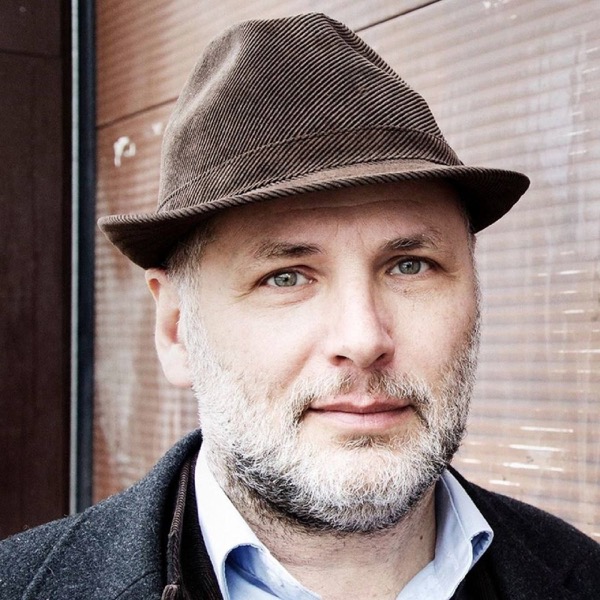
Fatima Yanes, born 1935 in Bayt Dajan, Palestine. Interpreter: Ziad Yanes. Photo: Cato Lein. Recorded in Sollentuna, 2019. “I was born in Bayt Dajan, a village near Jaffa. In 1936, during the Arab Revolt, the British and the Jews began terrorizing our village at night. They were looking for weapons and resistance fighters. They came to our house while we were sleeping and searched for weapons under our mattresses. Two of my uncles were arrested and sentenced to death by the British. They were imprisoned outside al-Quds (Jerusalem). I went with my parents and visited them once. There were many prisoners there, and all of them had visits from their families. My mother was carrying me, and I remember my uncles kissing me. They were later pardoned and allowed to return to the village. In 1948, the Haganah attacked all the Palestinian villages between Tel Aviv and our village. People fled to us from the surrounding villages; they came from Salama, Yazur, Kafr ‘Ana, and al-Safiriya. When the Haganah laid siege to the village, it did not come as a surprise. The army surrounded us and arrested people. An officer ordered the men to hand over their weapons, otherwise they would be shot. Our resistance fighters refused and tried to flee. The soldiers opened fire and many were killed. Then they fired at us—children, women, and the elderly. I remember at least ten people who died. A tank also appeared and began shelling us. They killed many innocent people. One resistance fighter who had stayed behind in the village threw a hand grenade at a Jewish officer. He died immediately. The soldiers shouted that there was a curfew. They shot at everything that moved. When we were finally forced out of our houses, my mother was still wearing her nightclothes. They separated the men from the women and us children. They went into our house and took all valuables, emptied all the wardrobes and threw all the clothes onto the floor, turned the mattresses upside down, and threw large stones into the well in the courtyard. If anyone had been hiding in the well, they would have been crushed. My mother explained that we were to leave all our belongings in the house. After a couple of days we would return; by then the Arab forces would have defeated the Haganah (begins to laugh). We were fired upon by the Haganah—adults and children alike. We fled across the fields. I saw a man bent over his son who had just been killed. He was crying. We traveled by truck to Deir ‘Ammar in al-Diffa al-Gharbia (the West Bank), where one of my uncles lived. We were allowed to stay in the mukhtar’s house. We stayed there for a month. Then we continued on, first to Baytin, outside Ramallah, then to Dara in southern Syria. Finally, we were given permission to go to Damascus. There, life was good. We were given the same rights as Syrians and rented a house in a suburb. I married in 1955, when I was 20 years old, to my cousin. My father and his siblings met in a family council and decided on our marriage. In 1960 we bought land and built a house. — When did you come to Sweden? 2012, at 77 years old. — Why? Fate.”